Skip to content
Rooted in Jharkhand. Built for opportunity.
Lakshmi Foundation
Papilo, Tisri, Giridih, Jharkhand 815317
Mon–Sat, 10 AM – 7 PM
Get in touch →
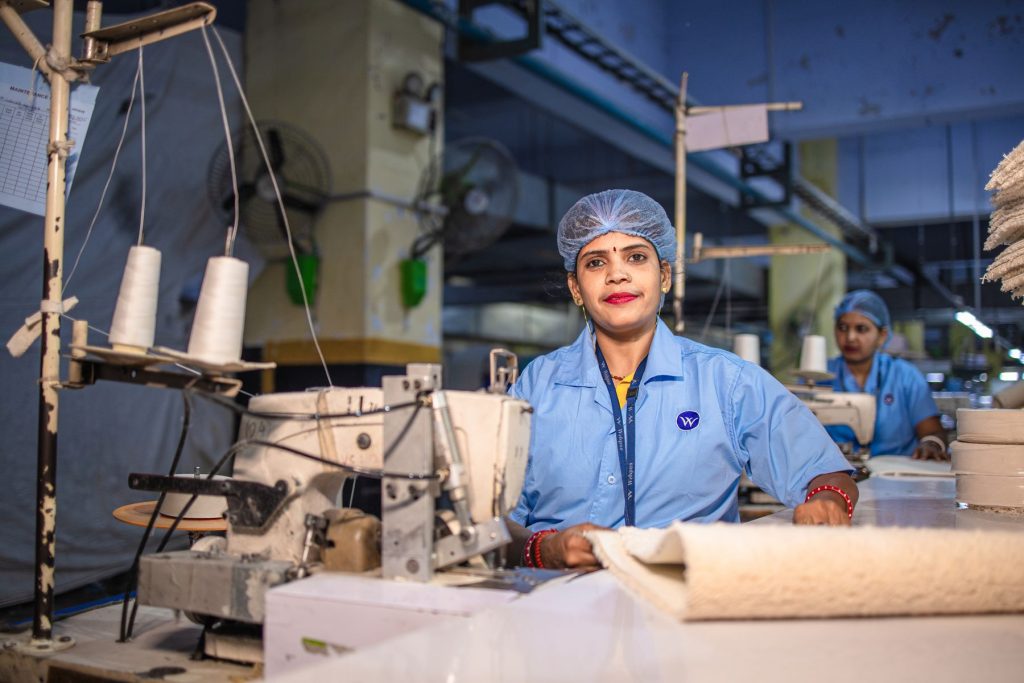
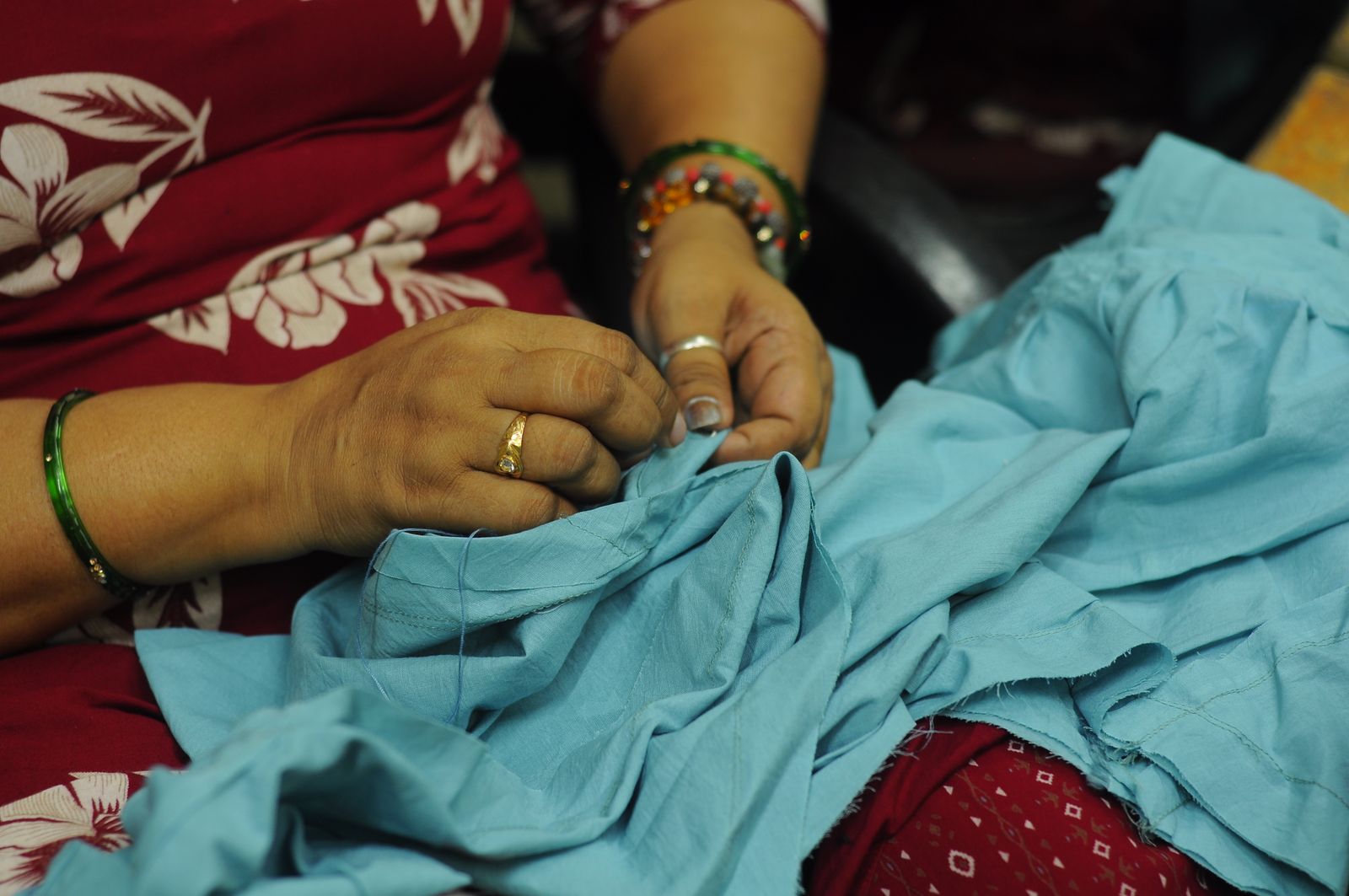
A woman hand-sewing blue fabric in Kolkata, India
Women & livelihood

The barrier is access, not ability

A dedicated track exists because the obstacles differ, not because the capability does. Almost all of those obstacles are designable.

Women working at sewing machines in a garment unit in India
What actually gets in the way

Distance, timing, safety and paperwork.

When a woman does not join a training programme, the reason is almost never motivation. It is that the venue is an hour away on an unsafe route, or the class runs at the exact time domestic and care work happens, or there is nowhere for a small child to be.

Programmes that treat this as a confidence problem fail. Programmes that treat it as a scheduling, location and logistics problem work. We build for the second.

  • Training scheduled around real days, not institutional convenience
  • Provision located close to where women already are
  • Safety treated as a design input, in transit and on site
  • Households engaged as participants rather than obstacles
  • Home-based and flexible enterprise treated as a real outcome
  • Help with ID, bank accounts and documentation in her own name
Both pathways

The same two routes, designed differently

Employment

Placement support that accounts for travel, timing and workplace safety rather than pretending they do not matter.

Enterprise

Home-based and small-scale enterprise supported as a legitimate destination, with market linkage and working capital guidance.

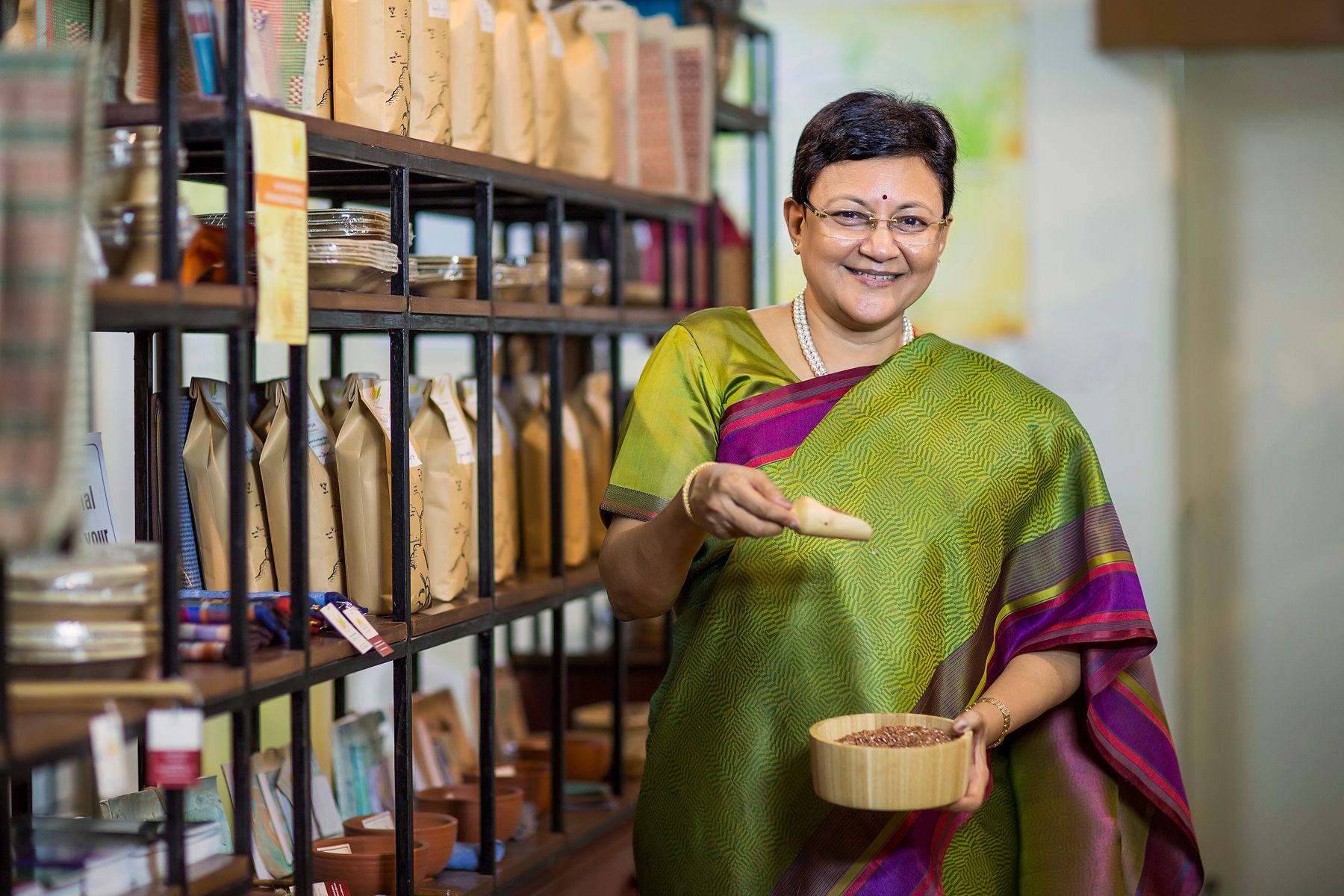
A woman in a sari at work in her shop

Ability was never the question.

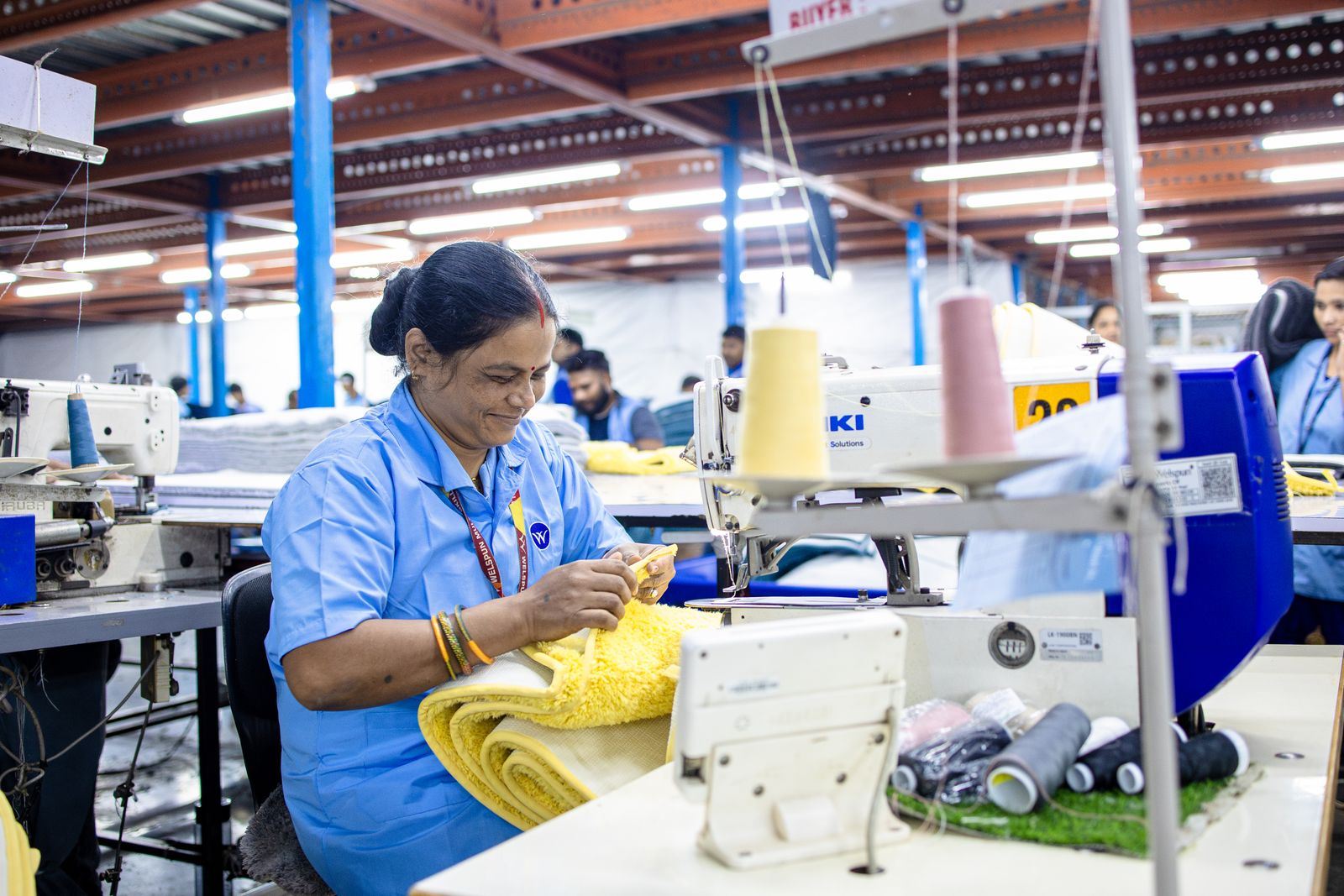
An Indian woman sewing fabric in a textile unit

Help us close the access gap.

As a mentor, a partner, or a donor.

Chat on WhatsApp